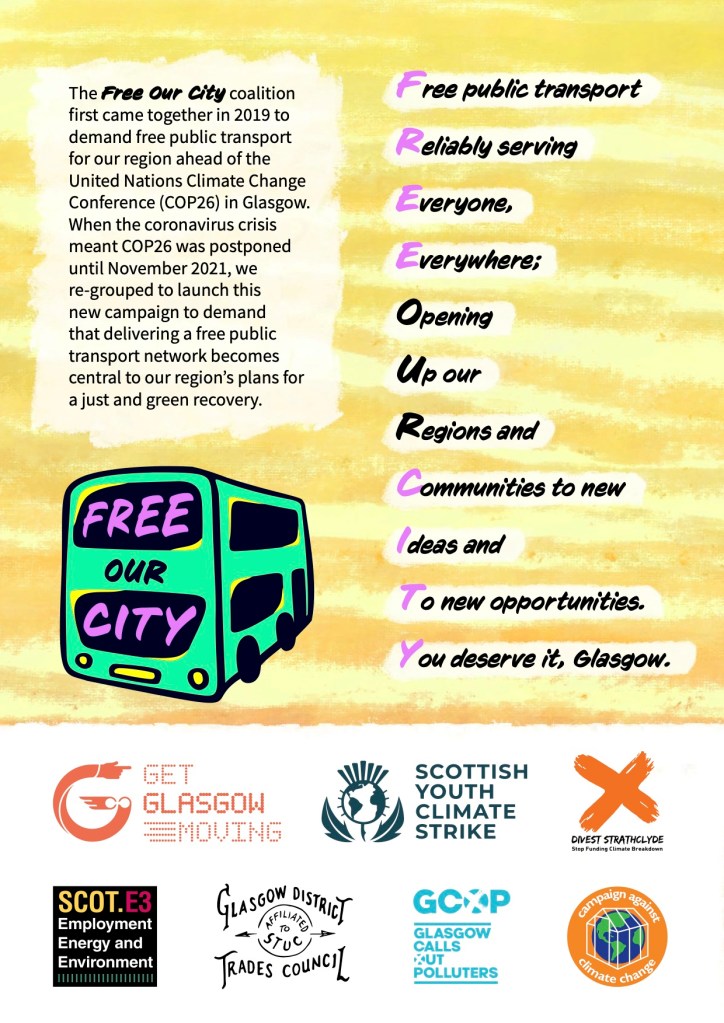
To address the climate emergency and tackle persistent poverty, hundreds of cities across the world – from Kansas to Calais – are making their public transport networks free for everyone to use. We think Glasgow should too!
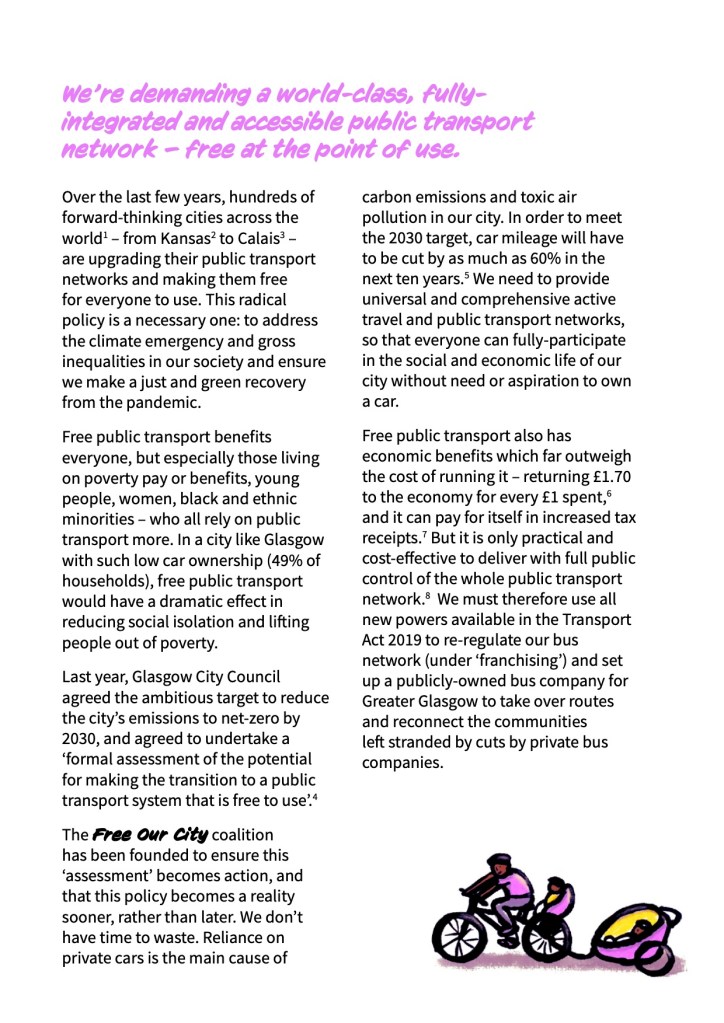
Free Our City is a new coalition of community, trade union and environmental groups campaigning for Glasgow to be the next city to make its public transport free (see our leaflet attached).
We’ll be joined by speakers from different cities around the world to share their experiences of campaigning for, implementing and living with the many benefits of free public transport. They’ll be opportunities to ask questions and breakout sessions to discuss how to develop, get involved in and work together to win the campaign in Greater Glasgow.
The event will be on Zoom. Please ensure you register in advance on Eventbrite, so we can email you the log-in details for the event. It will also be live streamed on Facebook.
Scot.E3 is part of the Free Our City campaign which launches with a conference on 19th September. We’re demandinga world-class, fully-integrated and accessible public transport network for Glasgow – free at the point of use.
Over the last few years hundreds of forward-thinking cities across the world – from Kansas to Calais – are upgrading their public transport networks and making them free for everyone to use. This radical policy is a necessary one: to address the climate emergency and gross inequalities in our society.Free public transport benefits everyone, but especially those living on poverty pay or benefits, young people, women, black and ethnic minorities – who all rely on public transport more. In a city like Glasgow with such low car-ownership (49% of households), free public transport would have a dramatic effect in reducing social isolation and lifting people out of poverty.
Last year, Glasgow City Council agreed the ambitious target to reduce the city’s emissions to net-zero by 2030, and agreed to undertake a ‘formal assessment of the potential for making the transition to a public transport system that is free to use’.
The Free Our City coalition has been founded to ensure this ‘assessment’ becomes action, and that this policy becomes a reality sooner, rather than later. We don’t have time to waste. Reliance on private cars is the main cause of carbon emissions and toxic air pollution in our city.In order to meet the 2030 target, car mileage will have to be cut by as much as 60% in the next ten years [1]. We need to provide universal and comprehensive active travel and public transport networks, so that everyone can fully participate in the social and economic life of our city without need or aspiration to own a car.
Free public transport also has economic benefits which far outweigh the cost of running it – returning £1.70 to the economy for every £1 spent, [2] and it can pay for itself in increased tax receipts. But it is only practical and cost-effective to deliver with full public control of the whole public transport network [3]. We must therefore use all new powers available in the Transport Act 2019 to re-regulate our bus network (under ‘franchising’) and set up a publicly-owned bus company for Greater Glasgow to take over routes and reconnect the communities left stranded by private bus company cuts.
Why now?
The coronavirus crisis has proved that public transport is an essential public service to get our keyworkers to their jobs. It has also laid bare the absurdities of running our public transport on a for-profit basis. The need to maximise profits from fares is not compatible with current social distancing guidance. When services were reduced during lockdown, they ended up costing us more to run. The Scottish Government has already bailed-out failing private bus companies by more than £300 million. This should be an opportunity to buy back our buses, so that they can be run in the public good for the long term.
There are many ways to improve the safety of our public transport and public control is central to them all. If we own and run our own buses, then we control the safety for staff and passengers. We can improve pay, conditions and training for staff. And we can deliver far more frequent and reliable services for passengers to reduce overcrowding, and better plan the routes to speed-up journey times and minimise the need to change. We can upgrade the fleet to zero-emissions electric buses and make them more spacious, with air-conditioning and multiple entrances and exits [4]. Upgrading the fleet of Glasgow buses can be an opportunity to save Alexander Dennis, the world-leading bus production company based at Larbert, which is currently threatening to make 650 workers redundant because orders have slowed down through the coronavirus pandemic [5].
We need to use this crisis as an opportunity to build back a far better public transport network, which actually serves our needs and helps us meet the many challenges of the decade ahead. Once the pandemic has passed, we will be faced with a massive economic crisis and a climate emergency that is not going away.[
Building a world-class, fully-integrated and accessible public transport network – free at the point of use – will provide the thousands of high quality, ready to go green jobs that we’ll urgently need for our city to make a just and green recovery [6].
Imagine if buses were free?
The Free Our City coalition is launching with a conference “Imagine if buses were free?” on Saturday 19th September. Speakers from other cities which have achieved free public transport will describe how their system works. We will discuss in break-out groups what we need in Greater Glasgow, and how we move forward to achieve it. The conference will be open to all, welcoming representatives of community organisations across Greater Glasgow and interested individuals to share in the discussion. Register for the conference on Eventbrite. Promote the conference by sharing the Facebook Event and the Event Tweet .
[1] During the crisis, publicly-controlled buses in London were made free so that passengers did not need to make contact with the driver to pay fares.
[2] By the end of 2020, as many as 1 in 3 young Scots could be unemployed as a result of the coronavirus crisis.
As a contribution to a radical plan for an independent, decarbonised Scotland, Brian Parkin analyses the damaging ways in which successive British governments have restructured the Scottish economy since the mid-twentieth century. A version of this article was first published on the rs21 website.
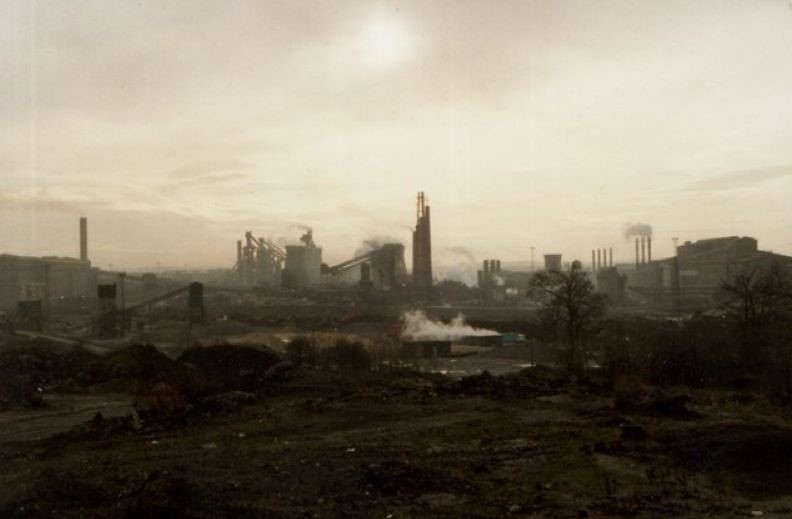
Ravenscraig steelworks, shortly before closure in 1992. Photo: Elliott Simpson (CC BY-SA 2.0)
Part 1: Dreams of development
The post-war settlement that enshrined full employment as a core economic aim saw the British state play a central role in redirecting labour into new post-hostility recovery employment. At the same time efforts were made to revitalise industries through new technological investment and in many cases reorganisation and modernisation through direct state ownership.[1]
Inevitably, this rationalisation, with newer technologies reducing the ‘living’ labour component in many processes, also meant job losses. In regions in which heavy industries predominated the initial impact, in terms of unemployment and outward migration, was to deepen the sense of decline. Hence the persistence in many regions– the West of Scotland, Tyneside, Teesside, Humberside, South Yorkshire and South Wales – of the feeling that much of post-war recovery passed them by.
The Labour technocracy
The return of a Labour government in 1964 saw an attempt to continue state enterprise in creating a modern and competitive UK economy. Highly specialised industry development boards were set up- both to modernise existing industries through targeted capital investment grants- but also to encourage more product diversity with an ever- increasing high technology content.
Regions were also picked out for extensive development and regeneration. Whole industries- coal, iron and steel, shipbuilding, aerospace and textiles were all serviced by development boards or consultative committees whose task it was to marshal the strategic resources of manpower training necessary to ensure competitive recovery. So-called ‘Advance Factories’ and industrial parks were set up on derelict mining or iron-works sites for incoming investment to take advantage of generous grants in exchange for providing high skill employment- and with it, hoped for economic regeneration.[2] Such policies, initiated by the Attlee government, were to be resumed with a greater vigour by the Wilson government of 1964-69.
But whatever the success of such schemes, they could do little to offset the principal ills of UK capitalism – low productivity and sclerotic profit rates. With Labour’s fall from grace in 1969, to an extent due to unpopular incomes (wage) controls and trade union reforms, the way seemed open for a ‘tougher’ Tory government.
The beginning of the end of the post-war settlement
The Tory government of 1969-74 entered office determined to replace the policies of the former Labour government with early trace elements of free market ideology. Incomes policies would persist as would trade union legislation. Although state aid to industry continued, a clear disdain for traditional manufacturing gave rise to terms such as ‘lame duck’ or ‘outdated’ to describe those sectors suspected of harbouring tribal anti-competition cultures. The difficulties in replacing an interventionist strategy with a reckless more laissez faire approach were made clear in the case of Upper Clyde Shipbuilders (UCS) in what was to become a legendary confrontation between popular defiance and a government determined to let the market decide the future of some 28,000 shipyard workers and their communities[3].
UCS had been formed in 1968 under the direction of the then Industry secretary, Tony Benn. It comprised five shipyards and was the product of an extensive rationalisation and reorganisation programme overseen by the Shipbuilding Industry Board which provided start-up capital grant plus a £5.5 million interest free loan over three years. At the time of its conception it had an order book of £87 million. The government had a 48.4% shareholding.
At the end of 1970, UCS had experienced some delays in securing orders and in early 1971 the board applied to the government for a £5 million short-term loan. This was declined and the subsequent ‘work-in’ and the massive response in terms of working class solidarity followed by the government climb-down, is now the stuff of legend. The embarrassment of the Heath government was further deepened by an emergency bailout and nationalisation of RollsRoyce which had foundered on the costs of developing a new generation of turbofan commercial jet engines.
Until these two major industrial setbacks there can be no doubt that Tory leadership thinking had begun to depart from the post-war consensus of economic recovery based on full employment. Certainly, before his fall from grace over the ‘rivers of blood’ anti-immigration speech, Enoch Powell (along with Nicholas Ridley and Sir Keith Joseph as members of the InstituteofEconomicAffairs-IEA) had been exerting increasing influence.[4]
The climb-downs at UCS and Rolls Royce were followed within months with the first ever national miners’ strike in the winter of 1972. The strike, ostensibly over statutory wage controls contained within it a highly charged set of political grievances. In 1939 there had been 37,000 miners in Scotland: by 1972 this had dwindled to 21,000. There had been a long held suspicion by the Scottish NUM that since 1946 and the nationalisation of coal, Scotland had been disfavoured in terms of both of coalfield development and capital investment. Another subsequent miners’ strike in 1974 in seeing off the Heath Tory government, also forced the hand of the incoming Labour government to underpin the security of all of the coalfields with The Plan for Coal[5]. Although this agreement did give some initial security, it wasn’t long before the full implementation of a productivity agreement: the National Power-loading Agreement opened up wide disparities in colliery and coalfield performance.
Whilst it is clear that a number of almost classic set-piece industrial confrontations thwarted the testing of Tory ideology it was only to take another two years for a Labour chancellor to seek IMF support in exchange for a virtual surrender to market ideology. In that year of 1976 a Labour government now demanded that the maintenance of a welfare state had to be conditional on the working class accepting both wage restraint and public spending cuts. And as if to demonstrate the awesome power of unfettered markets, unemployment was allowed to exceed one million for the first time in forty years.
Other industries
Prior to the decisive break from post-war economic strategies that occurred in the mid-1970s, there had been a wide range of industry specific investment programmes aimed at achieving both economic growth whilst maintaining employment at optimum levels. Such programmes took on added significance when they offered the prospect of regional regeneration. As many of the regions then experiencing decline had economies based on either extractive or manufacturing industries, the conventional economic wisdom was to ‘reindustrialise’ them, either by modernising existing processes or by inward investment in the form of newer industries with a higher technology content.
In the case of Scotland, which even in the best of times during the 20th century had experienced net outward migration and persistent poverty, the task was especially difficult. Much of the industrial base was both dated and dedicated to declining markets. The industrial capacity that did offer the prospect of recovery was hopelessly under-invested. Despite genuine attempts to revive certain sectors while using inward investment to maintain employment at acceptable levels, the downgrading of much of Scotland’s industrial capacity has had a shattering effect. Scotland has a small population and a large surface area and can still derive considerable wealth and employment from agriculture, forestry, fisheries and downstream processing, but it was the range of industry, from coal to cruise liners, that had given the country much of its sense of identity.
In an attempt to maintain a primary industrial base, the metal producing sector was marked out for modernisation. Firstly, the Collville steelworks at Motherwell, which had been site surveyed in 1954 for expansion, was renamed Ravenscraig and extensively developed by new state owned BritishSteel in 1967 as a combined iron, steel and hot strip steel mill which at the time was the longest in Europe. The site employed over 13,000 workers and was known as ‘Steelopolis’. The plant closed in 1992.[6]
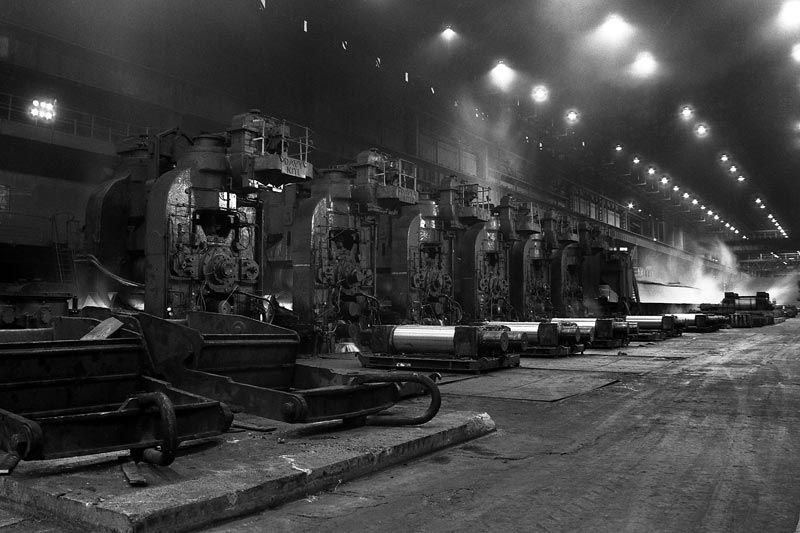
Davy rolling mills in operation at Ravenscraig in 1985. Photo: Dave Wilson (CC BY SA 2.0)
In addition, the first Scottish aluminium smelter at Fort William, (opened in 1929) benefited from power from the dedicated Lochaber hydro-power station. Still operational it employs 240. Although extensively modernised by British Aluminium in the 1970’s it is now operated by RTX/Alcan. But a further bid to expand a strategic aluminium industry foundered when the Invergordon smelter at Cromarty (opened by state owned British Aluminium Company in 1968 and originally employing 900) closed in Dec 1981[7].
In order to give Scotland a place in mass production industry, two sites were chosen for new motor vehicle manufacture and assembly:
Rootes (later Chrysler) was chosen for state investment in its plant at Linwood, Renfrewshire 1961. It was further enlarged in 1967. The workforce was incrementally increased from the original 450 Rootes workers by a further 3000 in main assembly plus 2000 in the Pressed Steel plant. The site closed 1981 with loss of 5500 jobs.
BMC (trucks and tractors) at Bathgate first opened 1961. Largely due to the chaotic phases of mergers and rationalisations in what was to become British Leyland the plant closed 1986 with loss of 2300 jobs.
In addition to the above, further grant aided programmes aimed at modernising other established industries – most notably chemicals and textiles – did much to retain employment in traditional industrial areas. Notable projects aimed at modernising the jute and linen mills, not only in terms of new plant machinery and infrastructure, but also in terms of the diversification in yarns towards synthetics increasingly available from a burgeoning petrochemical industry. In areas such as Dundee, this did much to protect employment traditionally undertaken by women.[8]
From command and control to markets
All of the above industrial strategies were predicated on a mixed economy model in which the state had a central and almost entrepreneurial role as technical driver, banker of last resort and planning enabler. To a considerable extent, a degree of market protection would always be necessary for such projects to work. They also required the co-option of the unions and local authorities to ensure the necessary workforce goodwill and motivation.
The subsequent Thatcher governments from 1979 onwards saw the withdrawal of the state from most aspects of industrial and regional strategies. Industrial technical innovation and implementation were to become matters for private enterprise and much state funded R&D activity was terminated. The result was to effectively see off most of the industrial regional programmes resulting in plant closures as part of a de-industrialisation process, which hit regions like Scotland almost overnight.
But as Scottish industry generally was allowed to face increasingly tough market tests, another sector and one of a wider strategic importance to the UK economy as a whole was to see ever-increasing levels of state investment. That strategic sector about which all governments felt best not left to the market was energy. In particular Middle East oil shocks had shown how tenuous the whole issue of security of energy supply had become. In the 1960s, offshore surveys revealed the continuous extent of North Sea gas reserves westwards from recent onshore Dutch gas finds and further exploration in the UK sectors consequently revealed large gas deposits in 1965 followed by extensive oil finds in 1971. But until the oil shock of 1973 in particular, coming as it did between two national miners strikes, the North Sea and its hydrocarbon resources had not commanded much in the way of strategic attention.
It is an irony that the deciding moments that determined over 40 years of expansive state intervention and economic management of the biggest industrial capital investment programme came at a time when the Keynesian orthodoxy of demand management was being abandoned, greatly to the detriment of most of the efforts of post-war Scottish reindustrialisation
Part 2: North Sea Oil and Gas: Straddling the ideological eras
Until the early 1960s, the known extent of the UK’s oil reserves were, in addition to shale oil deposits in Scotland, confined to a handful of small sites in England. Although the extension of onshore coal measures with possible petroleum potential well into the North Sea was understood, there was neither the available technology nor economic incentive to explore these ‘prospects’. But in the late 1950s, onshore gas-field exploration began in the Dutch province of Groningen. In 1959, what turned out to be a giant field was struck there in a sugar beet field.[9]
As the find was located in the strata that formed much of the UK’s coal measures, albeit much deeper, it was only a matter of informed guesswork to assume that such gas deposits could be found west of Groningen in the British sectors of the southern North Sea. It was also clear from deeper boreholes that the strata at deeper levels could probably contain oil.
The strategic importance of such a discovery was at first almost entirely regarded as being a potential source of relief for the UK’s ongoing balance of payments problem. But although slow at first, the British government eventually passed a UK Continental Shelf Act in 1964 securing automatic mineral rights to 200 metres of depth.[10] Then a year later Norway and the UK struck an agreement which allowed exploration to commence. A feature of this agreement is that both the UK and Norway initially agreed to permit exploration and production on the basis of licences allocated by administrative assessment rather than by the more customary practice of auction. The decision arose from a distrust of the oil companies established habits of acting as undisclosed cartels and thereby ensuring licence auctions rarely exceeding the reserve price.[11]
Another advantage of this licensing regime was that it allowed the UK government to favour British companies as well as giving state control over the rate of exploration and production in line with strategic imperatives. To this end a Department of Power was, among other things, charged with an offshore licensing regime with an initial view to ensuring a prudent rate of extraction. But a rapid turn of events was to significantly upgrade the importance of the North Sea and at the same time shift the resource management criteria from one of protracted conservation to one of maximising output.[12]
As Juan Carlos Boué has described, UK governments realised an offshore industry in deep and inhospitable waters would require substantial inducements if the oil ‘majors’ were to be the principal players. Hence a high subsidy- virtually zero taxation environment that by any measure ruled out any market test for what was at best speculative, if not unknown, geo-physical evidence. This meant from the start that the UK government had to be the risk-taker of both first and last resort.
Such a ‘statist’ approach presented no problem for Labour or Conservative governments alike who shared the imperatives of breaking the powers of a largely Arab OPEC cartel with the added bonus of petroleum security and a more comfortable trade balance. And in this approach the UK pioneered a governance model involving state subsidies and minimal tax penalties. Such a model made little sense within a UK economic regime slipping further towards market criteria being the ultimate test- and even less sense when applied to established oil producing countries- yet one that made all-too much sense to the largely western giant oil corporations.
Yet, this fiscal gamble was to pay off when a sequence of strikes proved the possibility of a viable UK offshore industry.
The first event occurred in December 1969 when an exploration well 2/4-1AX drilling 100 miles east of Dundee struck oil.[13] The find proved to be the giant Ekofisk field, which actually lay beyond UK jurisdiction in the Norwegian sector. But weeks later similar oil finds in the UK sector began with the Montrose field confirming commercial promise to the east of Peterhead.
Subsequent events came with a rapid sequence of Middle East conflicts that massively increased the price of imported oil, followed by a second national miners’ strike: both unconnected but seminal moments which concentrated the minds of governments of both persuasions on the strategic matter of energy security. For the incoming Labour government of 1974 there were two major energy initiatives. The first was a major stepping up of the nuclear power programme as a hedge against the miners and the second was a major state intervention in North Sea exploration, extraction and investment. [14]
The first (under Tony Benn) resulted in the hasty decision to proceed with a nuclear programme based on the ill-fated UK designed Advanced Gas-cooled Reactor (AGR) of which two were built and continue to under-perform in Scotland – Hunterston B and Torness. The second was to create two state bodies to oversee the respective North Sea hydrocarbon operations. A British National Oil Corporation (BNOC)[15] in 1975 became not only the oil sectors regulator and licensor – it also became a commercial partner with the option to ‘buy back’ up to 51% of a field’s production in order to then sell it back to the company for selling on to the refineries.[16] BNOC also reserved the right to take out a stake in certain fields which essentially saw the state both stimulating development as well as underwriting risk. British Gas (BG) was set up to carry out similar duties with regards to the gas fields. Initially, in the case of the Irish Sea and Morcambe Bay it actually operated rigs. BG also took on responsibility for the much bigger North Sea operations as well as the downstream duties of onshore gas distribution and marketing.
Although many North Sea oil and gas discoveries were relatively close inshore, in the fairly shallow English waters of the Southern and Central North Sea, the trend as a consequence of progressive exhaustion has seen production move northwards into more remote and deeper water gas fields. Scotland with its share of the Central North Sea and the whole of the Northern North Sea and West of Shetland sector now accounts for over 95.1 % of UK oil and 48.0 % of UK gas production.[17]
Crisis of Markets and Investment
It is evident from the sheer scale of the North Sea oil and gas industry, and the most hostile of environments that it continues to work and develop in, that a project of such technical complexity and vastness could never have got going by private enterprise alone. Without the UK government acting as the risk-taker of last resort, it is hard to imagine usually risk-averse capital venturing beyond ‘the Forties above the latitude of 58 degrees North where the weather is apt to get rough with winds of 125 miles per hour and waves over 100 feet’.[18]
Yet now as more well injection applications are made, in order to enhance well output from the older wells, it is becoming clear that the current rate of extraction is just unsustainable. As established fields deplete alternative reserves must be found further North. But with revenue from falling production and falling world oil prices combine it is likely that as exploration falters then the offshore industry as a whole faces the threat of loss of its critical mass. Between 2011 and 2014 North Sea exploration costs per barrel rose from £4.00 to £22.00 and between 2010 and 2014 development costs rose from £8bn to £15bn.[19] And that was before the oil price crash.
Part 3: Update
That the North Sea industry continued to attract government support was evident from the decision by a Tory chancellor to provide further tax breaks and incentives in the wake of the global oil price crash. But government aid would not last indefinitely if the world market continued to be awash with over-produced cheap oil. But by 2017 it had become clear that the North Sea had been since its inception a net cost/zero revenue operation for HM Treasury.
Operator
Subsidy (£ million)
Tax yield (£)
BP
580
0.00
Canadian Natural
480
0.00
Exxon/Mobil
400
0.00
Hess
220
0.00
Sinopec
200
0.00
Shell
80
0.00
Chevron
50
0.00
Bhpbillton
40
0.00
Centrica
30
0.00
North Sea operators: subsidies and tax yields 2015-17[20]
Nationalisation, resource conservation and democratic control
As the title of this paper suggests, the North Sea oil and gas industry has, unlike probably any other, been able to straddle a transitional phase between two opposing economic ideologies. It has done so because whatever the prevailing ideological wind, governments have always been preoccupied with matters of energy security. But now as a residual neoliberal dogma falters amid Covid-19 and post-Brexit uncertainties it would only be a matter of time before any remaining interventionist notion evaporated.
By 2018 BP, in the light of Forties field exhaustion, sold off its remaining offshore and onshore assets to the Grangemouth owner and operator, Ineos. Shell, facing the depletion of the once mighty Brent field, indicated that it would no longer be investing in any major North Sea activities. This was then followed in early 2020 by Exxon/Mobil declaring a sell-off of all of its North Sea licences and infrastructure assets in a bid to raise $2 billion in liquidity for oil and gas investments elsewhere
According to current estimates reserves lasting ‘well beyond 2055’ and ‘with a total wholesale value of at least £1.5 trillion’ could be realised on the basis ‘of a 28% rise in demand by 2035’.[21] But while such forecasts are often excessively optimistic, it is nevertheless possible that extensive and economically profitable reserves could be exploited well into the future. UK and Scottish governments remain committed to extraction of all economically viable oil and gas. However, the assumption of a 28% rise in demand deserves comment. At a time when the evidence of accelerating climate change is undeniable, it is irresponsible to make policy based to base on rising rates of fossil fuel usage.
Contrary to any previous forecasts the demand for hydrocarbons is set on a downward trajectory as the intersections of global recession, Covid-19 led demand collapse and a growing climate change consensus indicate an irreversible decline in fossil fuel usage. For a high production cost and medium volume North Sea industry, a permanently depressed world oil price can only accelerate its rate of decline.
Unwanted North Sea oil rigs queue up in the Cromarty Firth
The oil price collapse of March 2020 onwards could lead to a sequential collapse in UK North Sea operations, which on a central forecast, could mean the loss of some 200,000 jobs (offshore and onshore supply chain) within the next 18 months: some 9% of the Scottish workforce.[22]
The pace of change in both the global and Scottish economies since the inception of the Manifesto project in 2014, have been both rapid and extensive. But in order to discern a trend and identify the strength (or otherwise) of the economy, we have to bear in mind the trajectory of the UK economy as a whole over the past 40 years.
Economic management to markets: a (very) thumbnail sketch
By the late 1970s, Scotland, like other ‘industrial regions’ of the UK was about to be assaulted by the first phase of market ‘shock therapy’. In the philistine mind of the primitive neoliberals, an economy based on heavy engineering, ship building, metals manufacture, textiles and energy extraction, only a dose of economic Darwinism would be fit for who could – or could not – survive the market test. And although such an economic portrait could describe some other UK regions, it all applied to Scotland. The basic core of the economic ‘philosophy’ was that by opening up UK economy as a whole to the reality of ‘market forces’, those sclerotic and sullen elements of the workforce would be ‘shaken out’. Uncompetitive industries would be forced to prove themselves within an environment where management would be forced to re-learn the arts of management.
However, such a strategy failed to take into account the degree to which many industries were marked by years of under-investment. Hence this was an exercise predicated on assumption that the UK economy was structurally strong enough to withstand a little shock and awe.
For some of the UK regions, this proved to be catastrophic. And for a Scotland now hanging on a rapidly declining offshore oil and gas industry – as well as remnant sectors about to face the full-on forces of a post-Covid-19 global recession – the future could be bleak.
Fast-forward and we can survey the results, although at times it was no pushover for the ruling class. The miners fought on for a whole year, and the largely female workforce at Timex, Dundee, stuck it out for eight months. But when defeat ensued, the devastation of working class communities followed.
In any case, the UK economy became within a few years, one of the most open economies in the world and as a consequence became a playground of post-Big Bang speculative finance capital within which it was argued that the market as a force of nature – rather than Tory ruling class malice – was determining an ‘inevitable’ process of deindustrialisation. While industrially dependent regions and sub-regions as a whole took a battering, it was Scotland as a Northern and largely industrial outlier that bore a disproportionately heavy brunt.
The basic evidence of this experience can be found in an accompanying index, but it is by no means alarmist to suggest that a triangulated outcome of a global recession, a post-Covid-19 mass unemployment outcome and the all-but collapse of the North Sea oil and gas sectors, the Scottish economy is likely to enter a maelstrom.
However, since the point is not just to interpret the world, but to change it, I would suggest from the forgoing in which neither corporatist nor laissez faire ‘strategies’ have worked, it is unlikely that any reformist solution will be able to address the social and economic crises that Scotland now faces. So it is time for the bruised but so-far unbroken agency of the working class and its communities to administer a Just Transition away from two centuries of economic chaos and social injustice.
There is evidence of a spirit of defiance. In November 2017, workers at the offshore renewables fabrication yards of BiFab in Fifeshire occupied their workplaces in defiance of closure. Similar actions were underway at the Ferguson shipyard on Clydebank until the Scottish government was forced to nationalise the company. The yard with more or less its original workforce is now engaged in the production of a new generation of hydrogen-powered ferries for the state-owned CalMac company that will soon be running carbon-free ferries between the Scottish islands.
At a strategic level, a new and radical environmental network, Scot.E3, is linking rank and file union activists with working class communities and environmental organisations to fight for green jobs, climate justice and a democratic future. A new chapter in the political economy of Scotland may be about to be written.
References
[1] David Edgerton, ‘War, reconstruction and Nationalisation of Britain 1939-51’,Past and Present, 210, Supplement 6 (2011): 29-46; David Edgerton, The Rise and Fall of the British Nation: A Twentieth-Century History (London: Allen Lane, 2018).
[2] Distribution of Industry Act of 1946. This empowered the Board of Trade to implement the Advance Factory Programme. An Industrial Development (Scotland) scheme was established in the same year. The programme was terminated in 1976.
[3] UCS comprised five shipyards: Yarrow, John Brown, Govan Shipbuilders, Alexander Stephens and Scotstoun Marine.
[4] This extent of this influence was demonstrated by a speech given by Edward Heath at the Selsdon Park Hotel, Croydon in 1967, which clearly indicated a degree of acceptance of IEA market dogma.
[5] National Coal Board, Plan for Coal 1974. The Plan declared a target of an additional 47 million tonnes per year production from modernised existing capacity plus new developments in the central coalfields. In fact, the Plan led to the acceleration of pit closures in Scotland and South Wales. This was demonstrated by the fact that between the year of the plan (1974) and the Great Miners’ Strike (1984-5), the number of miners in Scotland fell by exactly half: from 21,000 to 10,500. Over the same period productivity rose by 22%.
[6] The 13,000 Ravenscraig workers came from an area with a total population of 60,000. For a concise history of the plant see: John Cowburn, Ravenscraig Steelworks 1954-1992, cowburnjohn@hotmail.com
[7] The £37m smelter at Invergordon was constructed on the assumption that with existing hydro capacity plus predicted cheap power from additional Scottish nuclear stations, the plant would be highly competitive- so much so that its construction was sufficient to anticipate enough demand to justify the construction of the Hunterson B AGR station. This in turn was sufficient for British Aluminium to qualify for a low interest loan of £30m. However, delays and subsequent underperformance of Hunterston B meant power charges had risen 31% over estimates which meant that by 1981 Invergordon was expected to make losses of £20m. See: www.rossandcromartyhertitage.org for a brief history of the Invergordon smelter. On nuclear fantasies see: https://www.rs21.org.uk/2020/06/13/not-an-atom-of-truth/
[8] Dundee was an early beneficiary of the Redistribution of Industry Act with the decision of the NCR Corporation to locate there. This was later followed by Michelin tyres and Morphy Richards, the light electrical appliances manufacturer. The intention of these assisted inward investment initiatives was to make good for the loss of jute mills employment.
[9] Small sites at Wych farm, Dorset, Formby on Merseyside and Hardstoft in Derbyshire had all produced ‘conventional’ oil from the 1920s onwards. See: Charles More, Black Gold: Britain and Oil in the Twentieth Century (London: Continuum, 2009), pp. 62-3.
[10] Øystein Noreng, The Oil Industry and Strategy in the North Sea (London: Croom Hill, 1980), pp.39-40.
[12] Christopher Harvie, Fool’s Gold: The Story of North Sea Oil (London: Penguin, 1995), pp. 225-7, 291-4. Harvie compares the respective extraction strategies of the UK and Norway, generally favouring Norway for opting for a regulated approach to production in contrast with UK rapid extraction emphases.
[13] Bryan Cooper and T.F. Gaskell, The Adventure of North Sea Oil (London: Heinemann, 1976), pp. 26-8.
[14] Initially it had been hoped that North Sea oil could also provide a fuel substitute for coal and thus another hedge against the miners. However the grades of oil first extracted proved unsuitable for refining into the necessary heavy Fuel Oil.
[15] The British National Oil Corporation (BNOC) was replaced by Britoil in 1990 which was to oversee the future wholly privatised oil industry with a ‘light hand’ of licence regulation.
[16] This arrangement also acted as a subsidy and incentive for the oil companies in that it assured them of a sale subsidy in the event oil falls in the international price.
Don’t Bank on the Bomb Scotland has produced an excellent new report that looks at the links between nuclear weapons, tackling the climate crisis and degradation of the environment. Written by Linda Pearson the report collects together a wealth of useful links for anti-war and climate campaigners alike. The aim of the report is ‘to highlight the connections between climate change, nuclear weapons, militarism, environmental destruction, racism, gender inequalities and social injustice in order to build a broad-based movement that can challenge existing power structures and bring about systemic change’.
Scot.E3 from its formation has argued that defence divestment needs to be part of the transition to a sustainable zero carbon economy. We agree with Don’t Bank on the Bomb that ‘… any Green New Deal plans should include a transition away from military production, as well as a transition away from fossil fuels’.
The new report highlights the expenditure of huge sums of money on ‘modernising’ nuclear arsenals around the world. The nuclear industry (military and civilian) is perhaps the most centralised and authoritarian manifestation of the military-industrial complex. We would argue that it’s not simply that the money spent on nukes should be spent on developing a new sustainable economy; the nuclear industry and arms manufacture more generally distorts economic and social choices and constrains civil liberties. The skills of engineers and scientists that could be devoted to productive, environmentally useful activity are instead harnessed to a system that produces waste, trashes the environment and risks all our lives. The report highlights the interconnections between the drive for profit, the impact of climate change and increased military tensions. One example of this is the race for commercial and military dominance of the Arctic.
Nuclear Weapons, the Climate and Our Environment – screen shot
Further Reading:
Scot.E3 Briefing Scotland Deindustrialisation and Diversification
Alexander Dennis, based in Falkirk, is internationally important as a manufacturer of double decker buses. In the wake of Covid19 it faces a short-term decline in orders. The response of its new owners, Canadian firm NFI, is to cut 650 jobs.
Clean, sustainable public transport is a critical part of the transition to a zero-carbon economy and Alexander Dennis is a world leader in building all-electric and hydrogen powered buses. The skills of the workforce at Alexander Dennis will be essential in reshaping the way we use energy, the way we produce and the way we live in response to the climate crisis. Sacking 650 workers will blight lives, wreck futures and set back the struggle for a just transition to a new sustainable economy.
In an excellent article in today’s Source Direct Ben Wray notes that the company is asking the government to buy the buses that private operators are not buying at the moment. We do need government action, but as we argued recently in ‘Save Lives, Save Jobs, Save the Planet’ such action needs to be planned and systemic. It needs to tackle issues of safe public transport and it needs to look forward to the zero-carbon future. The private sector is incapable of this kind of joined up thinking. Saving jobs, skills and livelihoods at Alexander Dennis should be seen as part of the broader campaign of taking public transport into public control.
All the signs are, however, that any Scottish Government action is unlikely to measure up to either the immediate crisis in Falkirk or the longer-term crisis of climate. There is a huge gap between the government’s rhetoric on just transition and just recovery and their actions. So how do we turn this round? I’d argue that to make progress we need to think in terms of a ‘worker led just transition’. It’s hard, but collectively we need to take every opportunity to turn the slogan into real action. At a time of public health and climate crisis, when the wealth of the super-rich is rocketing up, and the Westminster government is spending billions on contracts to their friends and bailouts to big business, redundancies in carbon-saving jobs are unacceptable. One option would be for Alexander Dennis workers to refuse to accept redundancy and occupy the factory. Combined with a public campaign for socially useful production as a part of a just transition this would have huge resonance in Scottish society and could provide common cause to the trade union and climate movements. The 1971 occupation of Upper Clyde Shipbuilders is a model – but this could be so much bigger.
Save Lives, Save Jobs, Save the Planet
Support Alexander Dennis Workers
Take Public Transport and Public Transport vehicle production into public ownership
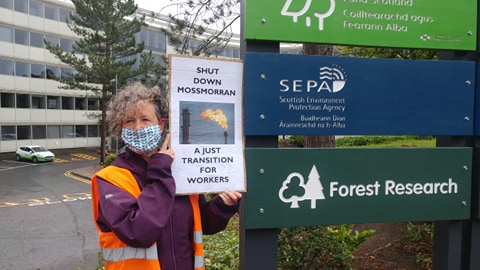
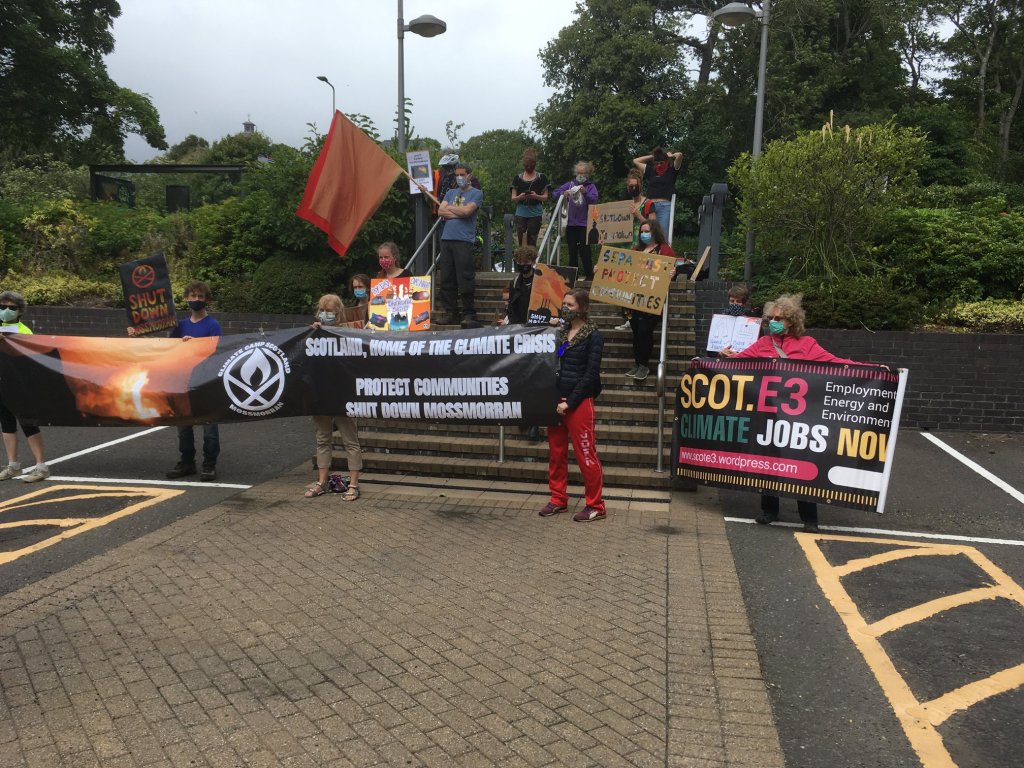
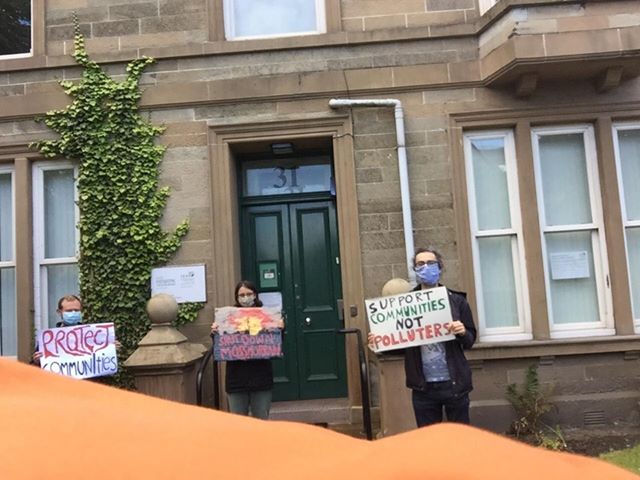
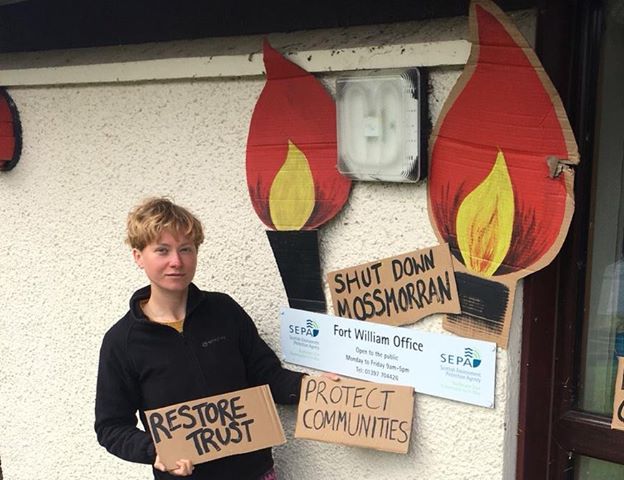
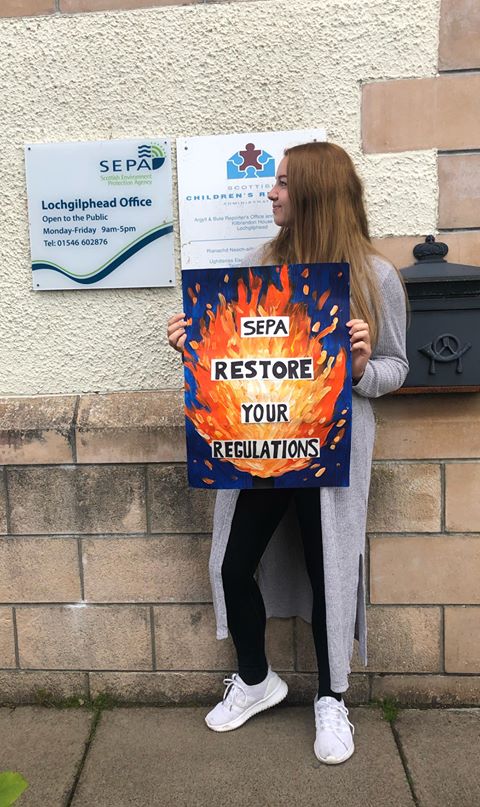
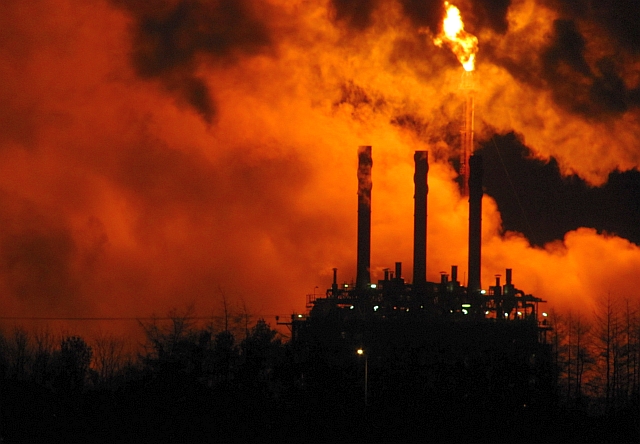
Protests organised by Climate Camp Scotland, calling for SEPA to protect local communities in Fife, take action on flaring at Mossmorran and demanding the rapid closure of Exxon and Shell’s gas plants took place across Scotland took place on Sunday 26th July
Earlier in the year we held an online public meeting with speakers from the Mossmorran Action Group. Prior to Covid19 Climate Camp Scotland were planning their summer action around Mossmorran. Limitations on social contact have made the original plans impossible but Climate Camp are continuing to campaign for action on Mossmorran. On Sunday at Midday there will be protests at SEPA (Scottish Environmental Protection Agency) offices around Scotland. The action will continue via social media on Monday; for more details go to the Facebook event or read the action briefing document.
We held our latest organising meeting on 23rd July. It was a chance to catch up and share ideas. You can find the full list of actions here and if there are particular actions that you would like to get involved with please do email us.
Part of the discussion focussed on the impact of Covid19 on the Scottish economy. We will soon be publishing an extended article on the importance of the education sector in the transition to a zero carbon economy – in light of this it’s very important to support education workers who are fighting to keep their jobs. Edinburgh Napier University is the first to announce that it is looking for compulsory redundancies. Do sign and share the petition in support of Napier staff.
In Glasgow jobs at First Bus are under threat – Get Glasgow Moving are looking for support for their campaign to take Glasgow bus services into public ownership. You can sign their petition here.
We are planning two public meetings, one on Ineos and one on a Worker Led Just Transition – watch this space for dates and further details.
Leeds TUC’s Environmental sub-committee held a webinar recently on ‘Alternative ways to decarbonise our heating systems’ – the video includes a lot of useful information and some sharp critique of the idea that’ blue hydrogen’ could be a way forward.
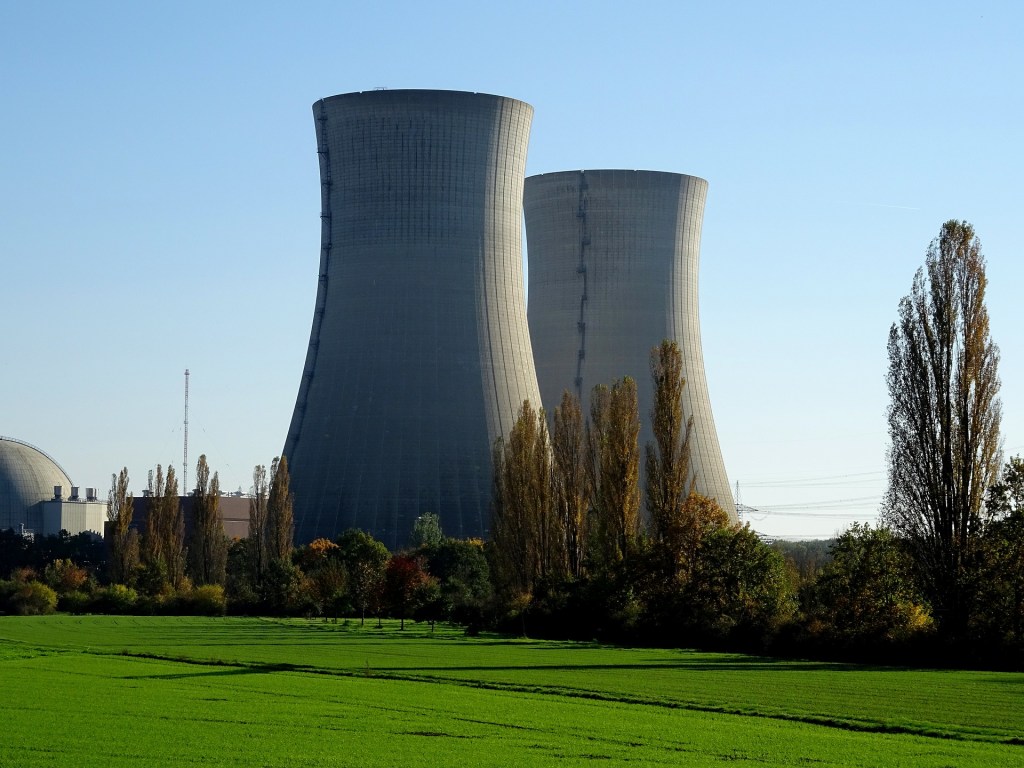
This video has Professor Andy Stirling and Dr Phil Johnstone, in conversation with CND Chair Dave Webb, about the connections between the UK’s nuclear weapons programme and nuclear power. Their research shows that the sole case for nuclear power is to subsidise nuclear weapons production. Electricity consumers are paying for the high cost of nuclear generated electricity and thereby subsidising research that is used by the military to maintain the nuclear weapons programme. The argument that Nuclear Power is ‘climate friendly and necessary’ is a convenient afterthought to disguise the real reasons for developing it.






.jpg)