What’s to be done about Mossmorran

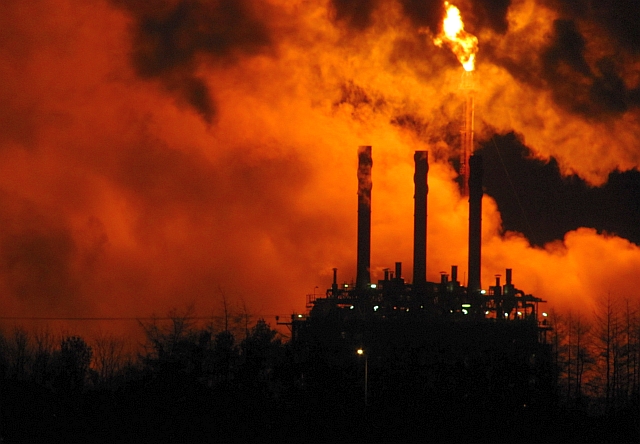
The twin gas plants run by Shell and Exxon Mobil at Mossmorran in Fife have had a devastating impact on the lives of people living nearby.  At our 3rd June online meeting Linda Holt and James Glen from the Mossmorran Action Group (MAG) gave a presentation on the progress of the campaign.

In the discussion that followed Linda and James addressed questions about the campaign and participants shared useful links and ideas for solidarity and joint activity.  

Campaigning

Linda noted that the MAG Facebook page is a really useful resource for following what’s happening and is used to share reports of flaring and other impacts from the gas plants.  However, Twitter has proved effective in pressurising the Scottish Government – the MAG twitter handle is @MossFlare – do follow and retweet.

We discussed the importance of phasing out Mossmorran as part of a Just Transition in Scotland and the opportunities for joint campaigning.

Linda and James talked about the SEPA investigations into Mossmorran and the limitations of SEPA as a Scottish Government Quango, whose board members are nominated by Scottish Government Ministers and dominated by representatives from the oil and gas industry.  There was strong support for replacing SEPA by an independent body that could take a critical view of government (in)action.  The UK Statistics Authority (UKSA) was suggested as an alternative model.  The UKSA has a statutory objective of promoting and safeguarding the production and publication of official statistics that ‘serve the public good’. 

Prior to lockdown Climate Camp Scotland was planning its summer 2020 action at Mossmorran.  Local campaigners were highly supportive, and it’s hoped that action will take place in the future.

Other points

MAG has attempted to get data on cancer in the areas adjacent to Mossmorran but NHF Fife refuses on the grounds of data privacy.  The only data available covers an area so large as to be useless.

ExxonMobil and Shell largely employ workers from outside the local communities so that the communities don’t get to find out what’s really happening in the plants. Closing down Mossmorran would not have a negative impact on local jobs.  The skills of those who work at Mossmorran are valuable and with support for retraining could be redeployed into new sustainable industries.

It was agreed that there was a need to submit something more robust on Just Transition to the Just Transition Commission.  Scot.E3 is working on a document and will share with MAG before final version is produced.  The deadline is the end of June.

Further reading

George Kerevan in Bella Caledonia writing on Big Oil, SEPA and Mossmorran

Information on ‘Cancer Alley’ in the US
Just and Green Recovery

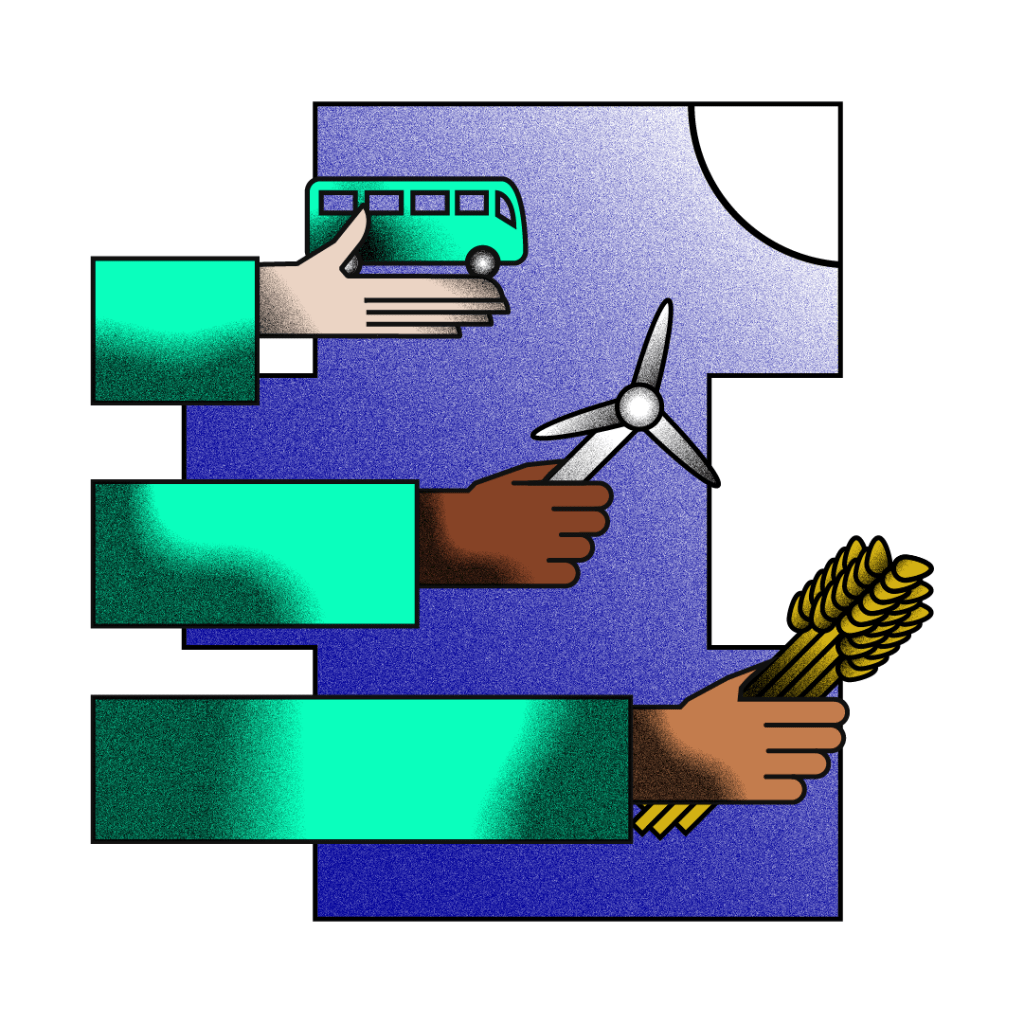
Scot.E3 is one of more than 70 Scottish organisations that have added their names to a letter to the Scottish Government calling for a Just and Green Recovery. The letter was initiated by Friends of the Earth Scotland. You can sign the linked petition here. The five points that are central to the letter are:

  1. Provide essential public services for people, not profit. Expand public ownership of public services and boost investment, including in social care, strengthen the NHS and cradle-to-grave education, and create zero-carbon social and cooperative housing instead of buy-to-let.
  2. Protect marginalised people and those on low incomes by redistributing wealth. Provide adequate incomes for all instead of bailouts for shareholders, significantly raise taxes on the wealthy, ensure all public workers receive at least the real Living Wage and strengthen health, safety and workers’ rights, including access to flexible home working. Investigate and mitigate the disproportionate impacts of COVID-19 and social distancing on women, children and young people, disabled people, LGBTI people, people of colour, key workers, unpaid carers, private renters, and those on lower incomes.
  3. Provide new funds to transform our society and economy to meet Scotland’s Fair Share of climate emissions cuts and greatly enhance biodiversity. Create and protect jobs in sustainable travel, renewable heat, affordable local food and energy efficiency, with ambitious green employment opportunities for young people and support for retraining where whole industries are affected. Put measures in place to ensure all government programmes tackle inequality, public health and the just transition away from fossil fuels, excluding rogue employers, tax avoiders, major polluters and arms manufacturers from bailouts.
  4. Strengthen democracy and human rights during these crises. Withdraw new police powers, surveillance measures and restrictions on protest as soon as possible. Enable full scrutiny of planning and policy decisions. Create an independent Recovery Commission founded on participatory democracy to engage and empower communities, trade unions and civil society. Introduce fundamental human rights into Scots law so that safety nets are always in place for the most vulnerable.
  5. Offer solidarity across borders by proactively supporting an international Coronavirus and climate emergency response that challenges the scapegoating ofmigrants, centres on the worst affected, bolsters global public health, development and environmental bodies, and ensures equitable access to COVID-19 treatment. Use the UN climate talks in Glasgow to push for robust implementation of the Paris deal, platforming the voices of indigenous and frontline communities and advancing climate finance and global debt cancellation. Ensure coherence between all domestic policy and global sustainable development outcomes.

Decisions made in times of crisis have long-lasting consequences. After the 2008 financialcrisis, inequality grew and climate emissions spiralled. We want to see this moment seized for the common good, not repeat the mistakes of the past.